Level Design - Ninja Theory
Intent on saving those who have fallen victim to the horrors of tyranny, Senua faces a battle of overcoming the darkness within and without.
Chapter 2 - Freyslaug
Level Design - Ninja Theory
Responsible for settlement layout and gameplay, intro leading to settlement & final section leaving the Drauga Arena.
Initial Layout
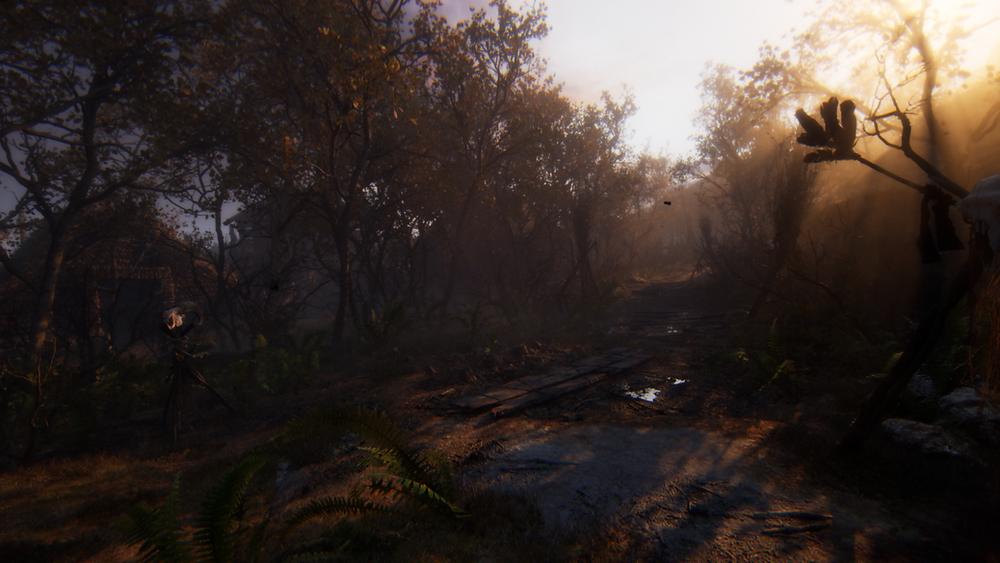
All levels in Senua's Saga: Hellblade II are based on real-world locations across Iceland. I was provided with the surrounding landscape and used the existing geography as the foundation for the level, adapting it where necessary to support gameplay and narrative.
My initial task was to design the settlement that Senua and Thorgest first arrive at. They discover it has been attacked by the Draugar, prompting Senua to investigate what happened and search for any survivors.
With this narrative context established, I began by defining how the settlement functioned before the attack. Understanding its original purpose provided a foundation for the layout, allowing me to layer in the events of the assault in a believable way. This grounded approach to world-building helped create an environment that naturally tells the story of the attack.


Gameplay Exploration
As the first iteration of the settlement took shape, we continued to develop the narrative surrounding the area. One of the key story beats was that Senua would draw parallels between the destruction of this settlement and the attack on her own village by the Northmen. As she moves through the ruins, these intrusive memories would gradually intensify, blurring the line between her past and the present.
Using this narrative direction, I explored gameplay concepts that would reinforce Senua's emotional experience to the player and strengthen the connection through player interaction. Early ideas included:
- A transition into a mystical "other world" that reflected Senua's altered perception.
- Void-based gameplay sequences where she fixates on objects and pieces events together.
- An alignment puzzle that tied environmental observation to narrative progression.
These concepts were used to investigate how gameplay mechanics could support the emotional arc of the section, ensuring the player's experience aligned with the story beats we wanted to deliver.
Final Layout & Gameplay
Through multiple iterations, we refined the experience into a three-part Rune Perspective Puzzle. Completing each stage gradually bridges the gap between the aftermath of the settlement's attack and Senua's own traumatic memories, using gameplay to reinforce her psychological journey.
The puzzle begins when the player discovers the scene of a ritualistic killing. As Senua explores the settlement to uncover each fragment of the rune, her intrusive memories intensify. Upon completing the third rune, she slips into a memory of her home village, where her family house is warmly lit, momentarily offering a sense of safety and belonging.
Inside the house, Senua discovers her mirror and unlocks the combat ability Focus Slow. The comforting memory quickly unravels as the attack on her village resurfaces, the house burns away, and the player is introduced to the new ability through a combat encounter.
After surviving the fight, Senua's memory becomes intertwined with the settlement. Returning to the site of the ritualistic killing, she instead finds the sight of her lover, mirroring the fate he suffered. This final moment completes the narrative transition, merging Senua's past trauma with the horrors of the settlement and reinforcing her goal to seek revenge on the Northmen, carrying her promise through her pain.




Chapter 3 - Rauðhólar
Level Design - Ninja Theory
Responsible for Illtauga chase sequence, intro leading to the chase & the hilltop settlement layout.
Initial Layout
Late in development, I transitioned to Chapter 3 – Illtauga Chase. The sequence had already gone through several iterations by different designers, but the gameplay direction was still unresolved.
The original concept centred around a "floor is lava" style gameplay, with the player navigating to the safety of a hilltop settlement while avoiding Illtauga's attacks. After reviewing the existing work, I proposed rebuilding the section from the ground up. Drawing on the strongest elements of previous iterations, I shifted the focus toward a cinematic, set-piece chase that emphasised pacing, spectacle, and player urgency.
I began by identifying a series of key gameplay and narrative moments, before stubbing in a 1st playable version of the sequence. This event-driven approach allowed me to fine tune the rhythm of the chase, balancing moments of tension and traversal to create a more memorable gameplay section.
Event Refinements & Collaboration
After several iterations, I finalised the key gameplay events and defined the structure and pacing of the chase. I worked closely with the Art, VFX, and Audio teams to bring the set-piece to life, continuously refining the timings and presentation of events to maintain the sense of an ever-present threat.
Alongside the set-piece design, I replaced much of the initial prototype implementation with a more robust sequencer framework. I consolidated the event flow and checkpoint logic into a single Level Sequencer, making the chase easier to iterate on and maintain throughout development.
This streamlined setup allowed me to fine-tune pacing based on the players skill level, ensuring the chase remained tense without becoming overly punishing. The goal was for players to feel as though they barely escaped Illtauga, sustaining a constant sense of urgency from beginning to end.


Chapter 4 - Huldufólk
Level Design - Ninja Theory
Responsible for initial cave blockout and gameplay exploration, Leaving the cave with Fargrim & Cave Draugar horror section.
Initial Layout
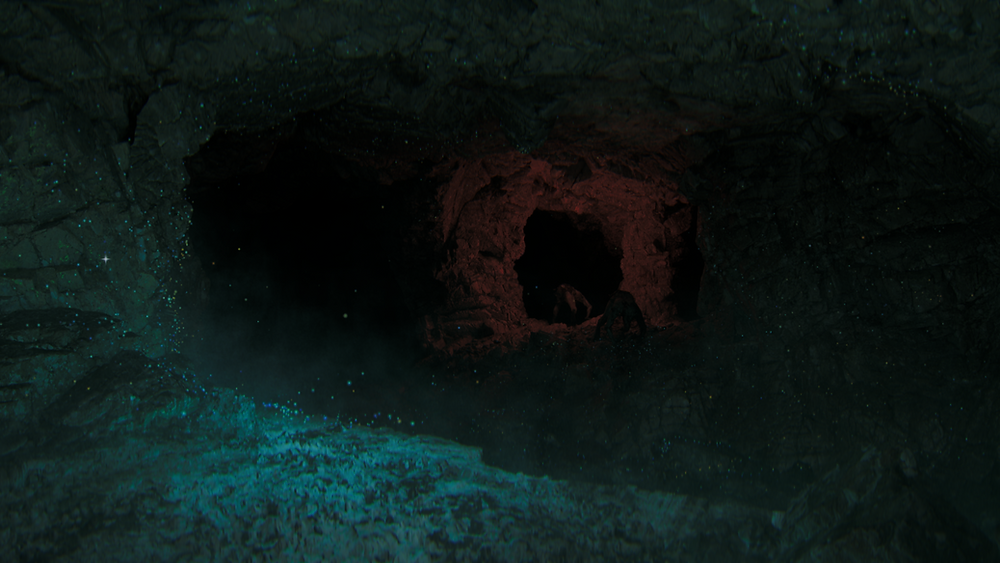
The Hidden Folk caves are one of the few areas in the game not based on a specific real-world location. This gave us greater creative flexibility, while still drawing inspiration from real Icelandic lava tunnel formations.
The narrative goal of this section was for Senua to seek out the Hidden Folk in the hope of learning how to defeat Illtauga. In the initial version I designed, the player follows subtle environmental cues left by the Hidden Folk, leading them deeper into the caves. This was supported by a puzzle concept built around shadow manipulation, reinforcing the theme of perception and hidden paths within the environment.


Stealth Pivot
As the narrative evolved, we decided the caves should feel significantly more hostile. In response, I began exploring stealth-based gameplay concepts to better reflect this shift in tone.
Due to resource constraints, the stealth direction ultimately evolved into a more experiential “ghost train” style sequence rather than systemic stealth gameplay.
As the scope of the cave section expanded, responsibility was split between myself and Expert Designer Gerald Poon. I focused primarily on the Draugr encounter section, helping to shape its pacing, tension, and moment-to-moment player experience within the broader cave sequence.


Additional Support
Alongside these key areas I also assisted with:
- Design specification for the Photomode
- NPC "Walk n Talk" set ups
- Implementation of subtitles and closed captions
Level Design - Ninja Theory
It was an incredible experience working with such talented people at Ninja Theory. I'm extremely proud to have had such a hands on role during the development of Senua's Saga: Hellblade II and we even won a Bafta for Technical Achievement!